
 36% off
Ayurvedic skin care, simplified
Vata, pitta or kapha — what is your skin saying?
Ayurveda reads skin by its nature: dry, warm or oily. Find yours, then build a calm daily routine around a gentle herbal bath.
The three skin types
Ayurveda's three skin natures
Vata — dry & delicate
Thin, dry, quick to flake or feel tight in wind and cold. Needs warmth and oil: sesame or almond after the bath.
Pitta — warm & sensitive
Prone to redness, heat rashes and breakouts in the sun. Benefits from cooling coconut and soothing neem.
Kapha — oily & thick
Smooth and strong but prone to congestion and oiliness. Needs thorough, invigorating cleansing with turmeric and neem.
One soap, three natures
Why a coconut-oil herbal soap suits most skins
Coconut oil is considered cooling and is well suited to pitta skin; neem and turmeric are traditional choices for oily, kapha skin; almond and sesame oils bring the nourishment vata skin asks for.
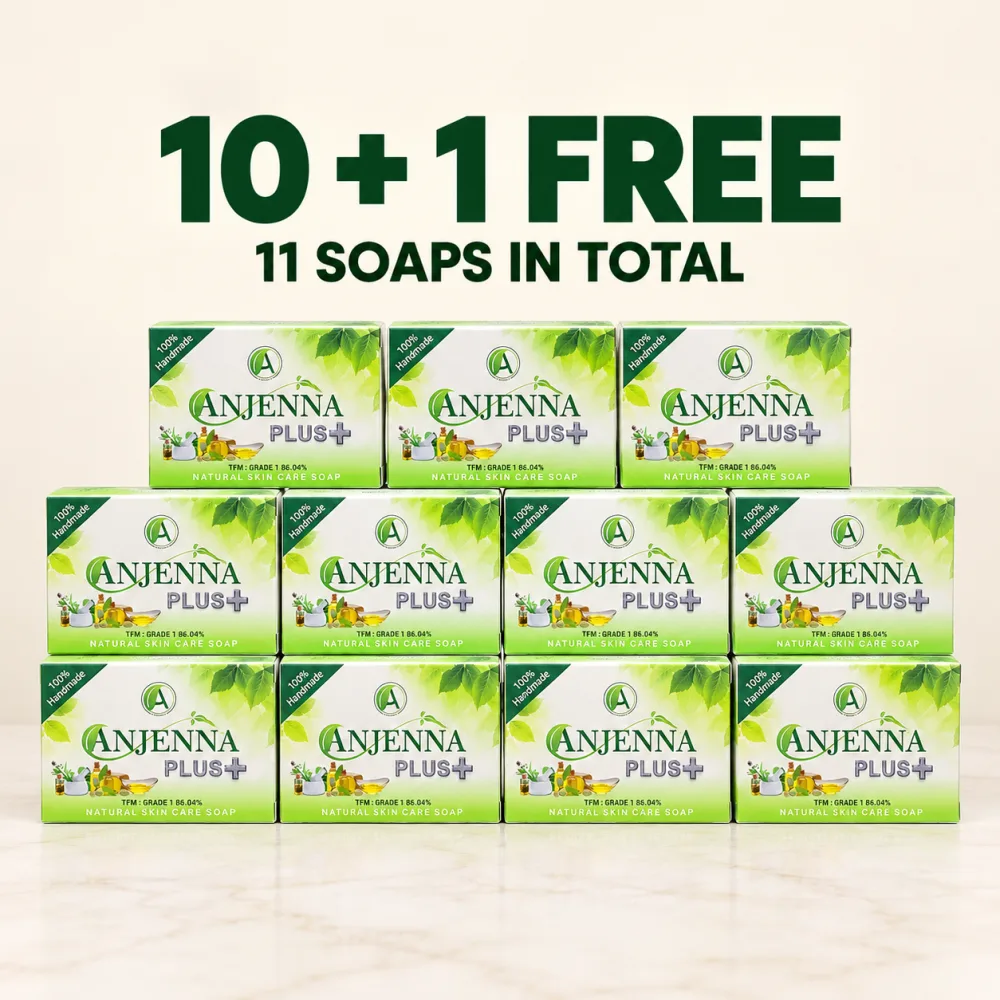
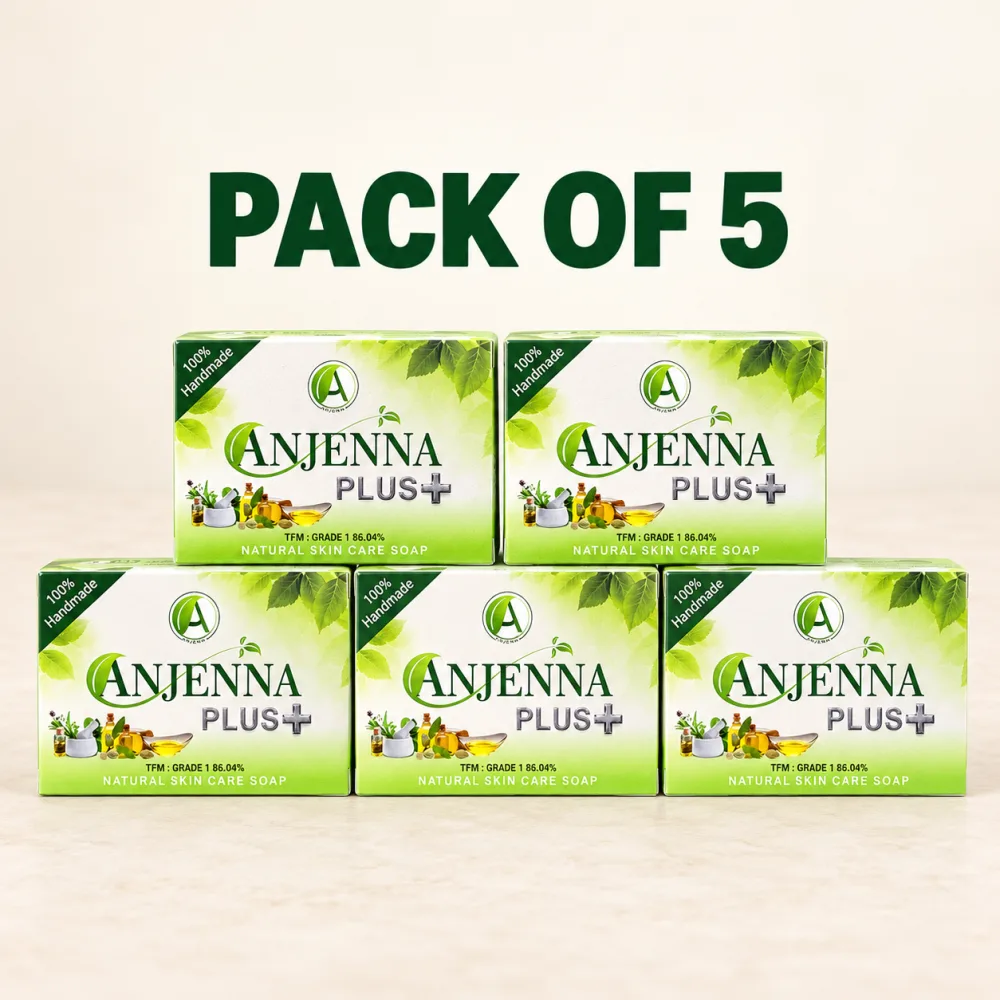
Anjenna Plus brings these together in one mild, high-fatty-matter bar. Adjust the rest of your routine — oil, diet, sleep — to your dosha.
Shop
The everyday base of every routine
36% off
 33% off
What's inside
Ingredients you can pronounce
Coconut oil Cocos nucifera
The soap base. Rich in lauric acid, it gives a creamy lather and leaves skin soft rather than tight.
Neem Azadirachta indica
Kerala's classic skin herb, valued in Ayurveda for clear, comfortable skin.
Turmeric Curcuma longa
Used for generations for an even, glowing complexion.
Chaulmoogra oil Hydnocarpus pentandrus
A rare oil from the Western Ghats with a long history in traditional skin care.
Sesame oil Sesamum indicum
The oil of choice for Ayurvedic massage, rich in natural antioxidants.
Almond oil Prunus amygdalus
A light, vitamin E–rich oil for softness, suited to sensitive skin.
FAQ
Dosha & skin questions
How do I know my skin dosha?
Notice how your skin behaves most of the time: dry and thin suggests vata; warm, sensitive and prone to redness suggests pitta; oily, thick and prone to congestion suggests kapha. Many people are a mix of two.
Can my skin type change?
Yes. Ayurveda notes that seasons, age and stress shift the balance — skin often turns drier in winter (vata) and more reactive in summer (pitta).
Which soap is best for oily kapha skin?
A thorough-cleansing herbal soap with neem and turmeric, used with a minute of contact time. Anjenna Plus suits this well.
Which soap is best for dry vata skin?
A mild, high-TFM soap followed by sesame or almond oil while the skin is still damp. Avoid very hot water.
Journal
From the blog
31 Oct 2026 · 2 min read
Vata, Pitta or Kapha Skin? A Simple Ayurvedic Skin-Type Guide
Ayurveda reads your skin through the three doshas. A quick self-check for vata, pitta and kapha skin — and a daily routine for each, including mixed…
30 Oct 2026 · 2 min read
Sesame Oil and Almond Oil in Ayurvedic Skin Care: Uses and Evidence
Tila taila is Ayurveda's king of oils; almond oil is its gentlest. How each is used for skin, what research says about them, and how to choose…
Start with a gentle base
Anjenna Plus suits all three skin natures. Ask us on WhatsApp which routine fits you.